Smelly Blood: A Bold Font for Creative Projects
There I was, staring at a blank brand board, trying to figure out how to make the logo stand out. The client wanted something memorable, something that would grab attention without being too loud. That’s when I stumbled on Smelly Blood—a font that felt like a breath of fresh air in a sea of generic typefaces.
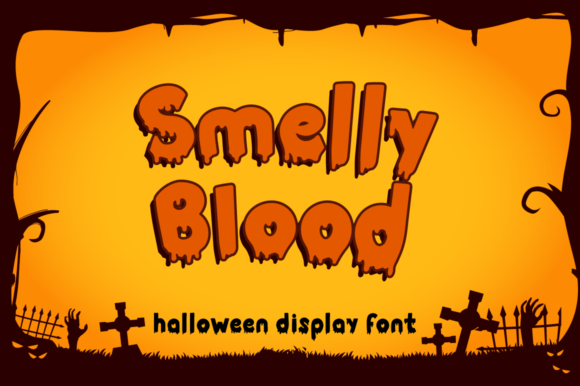
Smelly Blood is a display font with a quirky personality. It’s not subtle, but that’s exactly what makes it special. The letterforms have a rough, almost hand-drawn edge that gives it a sense of energy and unpredictability. It’s like someone took a marker and scribbled the alphabet with a little bit of mischief.
I started by testing it on a few logo drafts. The first thing I noticed was how it added a playful yet professional vibe. It wasn’t too chaotic, but it had enough character to make the design feel unique. I tried it on a café name, a boutique label, and even a skincare brand—each time, it brought a different kind of flair.
One of the things I love about Smelly Blood is how it works in different design contexts. On a shop sign, it commands attention. On a business card, it adds a touch of creativity without overwhelming the message. When used on packaging, it helps the product stand out on the shelf. Even on social media graphics, it feels right at home.
But Smelly Blood isn’t just about style—it’s also about function. While it’s definitely a display font, it can be used strategically in branding. I found that it works best as a headline or accent font. Pairing it with a clean sans serif or a classic serif can create a nice contrast that keeps the design balanced.
For example, when designing a website header, I used Smelly Blood for the main title and paired it with a simple sans serif for the body text. The result was a modern yet approachable look that felt cohesive. It wasn’t overpowering, but it still made an impression.
Another place where Smelly Blood shines is in editorial design. Whether it’s a magazine spread, a poster, or a flyer, it adds a visual punch that can elevate the overall aesthetic. I’ve used it for event invitations and promotional banners, and each time, it brought a sense of fun and creativity to the project.
When working on a packaging design for a handmade shop, I experimented with different sizes and weights of Smelly Blood. It looked great on labels, stickers, and even on the back of product boxes. The font’s boldness made it easy to read from a distance, which is important for retail environments.
One of the key things I learned while using Smelly Blood is the importance of testing. Before finalizing any design, I always recommend trying the font in different sizes, colors, and backgrounds. Sometimes a font that looks great on a screen doesn’t translate well to print, or vice versa. Smelly Blood is no exception.
I also checked the font’s available styles and alternates. It has multiple weights and some nice ligatures that add to its visual appeal. Multilingual support is a plus, especially if the brand operates in more than one language. The file formats were straightforward, and the commercial licensing made it easy to use in client projects without worrying about legal issues.
For clients who are new to typography, I often explain how fonts can shape the perception of a brand. Smelly Blood, with its bold and quirky nature, can help convey a sense of creativity, confidence, and uniqueness. But it’s important to use it wisely—too much of it can be distracting, and it might not work well in every context.
In my experience, Smelly Blood is best suited for short-form text. It’s perfect for headlines, logos, and accents. Using it for long paragraphs would be a mistake, as it can become hard to read. But when used in moderation, it can add a lot of personality to a design.
When pairing Smelly Blood with other fonts, I usually go for something that complements its energy. A classic serif like Garamond or a clean sans serif like Helvetica can balance out the boldness. For a more creative look, I might pair it with a script or handwritten font, but that requires careful consideration to avoid clutter.
Overall, Smelly Blood is a versatile tool that can bring a fresh perspective to any design project. It’s not for every brand, but for those looking to make a statement, it’s a great choice. Whether you’re working on a logo, packaging, or digital assets, this font has the potential to make your designs stand out.
As a designer, I always look for fonts that can add value without complicating the design. Smelly Blood does exactly that. It’s bold, it’s quirky, and it’s perfect for creative projects that need a little extra flair.